How Do You Plan MOQ and Lead Time for Brass Bronze Gate Valve?
Views: 0 Author: Site Editor Publish Time: 2026-09-30 Origin: Site


Procuring industrial valves requires balancing Minimum Order Quantities (MOQ) against rigid production and shipping lead times. You want to avoid tying up excess capital. You also must prevent critical project stockouts. Balancing these two variables represents a major challenge for supply chain professionals. Miscalculating timelines for industrial or plumbing valves can easily disrupt multi-million dollar project schedules. Conversely, ignoring manufacturer MOQ constraints quickly drives up per-unit costs. This hurts your profit margins. Our article provides a concrete, data-backed framework. We will help you calculate realistic lead times and negotiate better MOQs. We will also show you how to vet manufacturing partners for bulk valve orders. You will learn the specific metallurgical factors driving production delays. You will also discover how to properly structure your next purchase order.
Key Takeaways
- Standard off-the-shelf valves offer lower MOQs and 2–4 week lead times, while OEM/custom specifications require 8–12+ weeks due to tooling and casting phases.
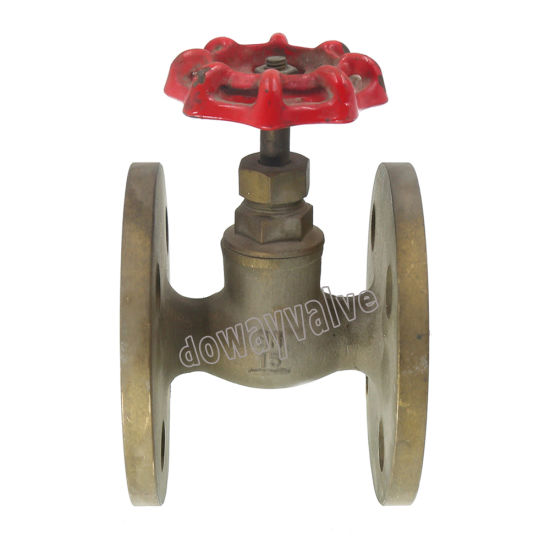
- Material choices directly impact production schedules; complex castings (like a flange to flange bronze gate valve) inherently require longer cooling and machining cycles.
- Evaluating a supplier’s raw material inventory and in-house testing capacity is critical to accurately forecasting delivery dates.
- Structuring blanket purchase orders with phased deliveries can satisfy high MOQs while easing cash flow and warehousing burdens.
1. How Brass Bronze Gate Valve Specifications Dictate MOQ
Your valve specifications directly influence the manufacturer's MOQ. Facilities base these volume numbers on physical production limits rather than arbitrary sales goals. Understanding these operational limits helps you negotiate much better terms.
Standard vs. Custom Tooling
Standard configurations heavily leverage existing molds. Valves using standard NPT or sweat connections allow manufacturers to accept lower MOQs. These numbers often sit between 500 and 1,000 pieces. The factory already owns the tooling. They can easily fit your order into standard production runs. OEM designs tell a very different story. Custom body shapes or unique threading requires entirely new tooling. Factories must machine new molds before casting begins. Manufacturers drive MOQs up to justify these initial setup costs. They simply cannot pause their primary production lines for a small custom batch.
Material Compliance Requirements
Material selection heavily impacts minimum volume requirements. Specifying "Lead-Free" compliance changes the entire manufacturing environment. Standards like NSF/ANSI 61 demand strict material purity. Certain dezincification-resistant (DZR) brass alloys restrict raw material sourcing. Factories must prevent cross-contamination. They often dedicate specific furnaces solely for lead-free production. They must clean equipment thoroughly between different alloy batches. This intensive process requires higher volume commitments. You cannot order just 200 units of a highly specialized DZR alloy. The factory would lose significant money on the furnace changeover alone.
Size and Weight Factors
Physical dimensions dictate raw material usage. Heavier, larger-diameter valves consume significantly more metal per unit. Manufacturers rarely calculate MOQs based on strict unit counts for large items. Instead, they base MOQs on the total tonnage of raw material. They calculate the amount of brass or bronze melted per furnace cycle.
- Small 1/2-inch valves might require a 2,000-unit MOQ to meet the minimum melt weight.
- Large 4-inch industrial valves might only require a 200-unit MOQ.
- The furnace capacity ultimately dictates the required batch size.
You must align your order volume to match these furnace cycles. This strategic approach minimizes wasted energy and maximizes factory efficiency.
2. Breaking Down the Manufacturing Lead Time Timeline
Accurate forecasting requires understanding the step-by-step production process. Delays in one phase automatically push back the entire delivery schedule. Building in time buffers keeps your projects safe.
Raw Material Sourcing and Ingot Prep (1–3 Weeks)
Production begins long before any metal melts. Factories depend heavily on global copper and zinc supply chains. Market fluctuations can delay raw material deliveries to the factory floor. Suppliers must secure high-quality ingots first. They then prepare these ingots for the specific alloy mixture. Testing incoming raw materials takes additional time. Quality control teams must verify the chemical composition using spectrometers.
Casting and Forging Constraints (2–4 Weeks)
Forming the valve body remains the most time-intensive phase. Standard brass valves often utilize a rapid forging process. Forging applies high pressure to heated brass rods. This process moves incredibly fast. It creates strong, dense valve bodies in mere seconds. However, larger bronze configurations require a completely different approach. Manufacturers must use slower sand-casting processes. Designing and producing a complex flange to flange bronze gate valve takes considerable time. Sand casting involves creating disposable molds. The molten bronze requires longer cooling cycles. Rushing this step causes internal stress fractures.
Machining and Assembly (2–3 Weeks)
Rough castings move to the CNC machining department next. Factories cut precise threads and smooth seating surfaces. CNC machining bottlenecks frequently occur during peak seasons. Each machine can only process a set number of units per hour. Following machining, workers assemble the internal components. They install stems, wedges, and bonnets manually. Proper assembly requires skilled labor to ensure tight tolerances.
Testing, QA, and Packaging (1–2 Weeks)
Quality assurance forms the final manufacturing hurdle. Technicians subject valves to rigorous hydrostatic and pneumatic pressure testing. They check for shell leaks and seat integrity. Failed units head back for recycling. The factory then prepares essential documentation. Packaging bulk metal items securely takes time. Pallets must undergo structural reinforcement to handle heavy transit loads.
Manufacturing Lead Time Breakdown Chart| Production Phase | Estimated Timeframe | Key Bottleneck Risks |
|---|---|---|
| Raw Material Sourcing | 1–3 Weeks | Global copper/zinc shortages, customs delays on ingots |
| Casting and Forging | 2–4 Weeks | Cooling times, complex sand-mold creation |
| Machining and Assembly | 2–3 Weeks | CNC machine availability, skilled labor shortages |
| Testing and Packaging | 1–2 Weeks | Hydrostatic testing failures, specialized crating needs |
3. Shipping and Logistics: Factoring Transit into Your Procurement Schedule
Factory completion only represents half the journey. Transit variables can easily double your overall lead time. Procurement teams must build realistic buffers for ocean freight and customs clearance.
FOB vs. CIF Timelines
Understanding shipping Incoterms prevents scheduling disasters. FOB (Free on Board) means the factory delivers the goods to the departure port. Your forwarder handles the rest of the journey. The manufacturer's lead time quote usually ends at the FOB point. CIF (Cost, Insurance, and Freight) means the supplier handles shipping to your destination port. However, neither term accounts for the final domestic transit. You must calculate the difference between ex-works factory completion and actual landed delivery at your warehouse.
Ocean Freight Realities
Moving bulk heavy metal via air freight costs too much. You must rely on ocean freight for large valve orders. Baseline transit times from major Asian manufacturing hubs to North America or Europe take roughly 4 to 6 weeks. Vessel schedules fluctuate constantly. Port congestion at departure or arrival terminals adds unpredictable delays. Do not assume a ship departs the day your cargo arrives at the port. Container consolidation alone can take a full week.
Customs and Port Delays
Import clearance presents another major variable. Customs agents routinely inspect heavy industrial shipments. You should always add a 10–15% time buffer to your overall schedule. This buffer typically equals 7 to 10 extra days. It accounts for import clearance hurdles and container unlading. Final-mile domestic transit via rail or truck also faces driver shortages. Planning for these delays ensures your installation teams never wait on missing parts.
4. How to Evaluate a Brass Bronze Gate Valve Supplier for Bulk Orders
Finding a reliable partner requires deep due diligence. You must look past polished websites and verify actual manufacturing capabilities. An unreliable partner will consistently miss deadlines and produce substandard components.
Production Capacity vs. Claimed Lead Times
Many trading companies pose as direct manufacturers. They promise fast delivery but outsource the actual work. You must audit a potential brass bronze gate valve supplier thoroughly. Request detailed equipment lists upfront. Ask for the specific number of CNC machines they operate. Inquire about their furnace capacities and daily melt limits. Comparing their physical machinery against their claimed lead times reveals their true capabilities. Do not accept superficial promises. Request video tours of the factory floor during active production shifts.
Engineering and Technical Support
Strong technical support accelerates your engineering approval phase. Complex projects require extensive documentation before procurement begins. Look for suppliers providing rich digital assets. They should offer submittal sheets, material test reports, and 3D BIM models. Providing comprehensive brass bronze gate valve specifications proves their technical maturity. This transparency allows your engineers to verify system compatibility quickly. Suppliers lacking these documents often struggle with strict quality control.
In-House vs. Outsourced Processes
Fragmented supply chains increase lead times dramatically. Some facilities cast the metal but outsource the machining and testing. Moving heavy cast bodies between different facilities introduces immense delays. Weather, transport strikes, or miscommunication can disrupt the handover. Suppliers who handle casting, machining, and testing under one roof perform much better. They experience fewer inter-facility delays. They also maintain tighter control over quality parameters. This vertical integration allows them to offer highly reliable lead time estimates.
Quality Certifications
Missing certifications can ruin a bulk order. Customs authorities will hold non-compliant products indefinitely. Building inspectors will reject uncertified valves on the job site. Verify all industry approvals before placing an order. Look for valid ISO 9001 certificates. Check for cUPC, CE, or UL/FM approvals based on your regional requirements. Request the actual certificate numbers and verify them through official databases. This proactive step prevents catastrophic project rejections upon delivery.
5. Strategic Purchasing: Strategies to Optimize MOQ and Lead Times
Smart procurement teams do not just accept MOQs and wait. They use strategic purchasing methods to bend these constraints in their favor. You can secure better pricing while guaranteeing product availability.
The Blanket Order Strategy
Manufacturers love predictable revenue. You can negotiate a blanket purchase order for an annual volume commitment. This satisfies the manufacturer's high MOQ requirement. In return, you schedule staggered monthly shipments. This aligns deliveries perfectly with your project’s installation timeline. You do not need to accept 10,000 valves on day one. Staggered deliveries ease your cash flow burden significantly. They also eliminate massive warehousing constraints at your facility.
Safety Stock Agreements
Building a safety stock program requires high trust. Partner with your supplier to maintain a specific threshold of raw materials at their facility. Some suppliers will even hold semi-finished cast bodies on their shelves for you. When you place a repeat order, they skip the lengthy sourcing and casting phases. They move directly into machining and assembly. This strategy drastically reduces lead times for subsequent orders. It essentially turns a custom 12-week process into a rapid 4-week delivery cycle.
Standardizing Specifications
Complexity kills procurement efficiency. Engineers often specify slightly different valves for different building zones. You must work to standardize these requests. Reduce the variation in requested SKUs across all your active projects. Combine order volumes for a single type of brass bronze gate valve wherever possible. This consolidation helps you easily surpass MOQs. It also gives you immense leverage to secure significant volume discounts. Simplifying your inventory makes long-term maintenance much easier for the end-user.
Best Practices for Optimizing Bulk Orders- Audit the supplier's raw material inventory before signing a contract.
- Establish clear penalties for late deliveries in your purchase agreement.
- Standardize your valve connections and material grades across multiple projects.
- Request a pilot run of 50 units before authorizing a 5,000-unit production batch.
Conclusion
Successfully procuring bulk valves requires deep operational alignment. You must align your internal project schedules directly with the manufacturer’s physical production realities. Understanding furnace capacities, cooling times, and transit variables allows you to plan effectively. Reliable lead times do not happen by accident. They remain a byproduct of transparent supplier communication and standardized specification practices.
Take control of your next procurement cycle early. Stop guessing when critical components will arrive. Evaluate your current suppliers against the rigid criteria outlined above. We encourage procurement teams to request a detailed, week-by-week production schedule alongside their next bulk quote. You should also download technical specification sheets and BIM assets upfront to streamline the engineering evaluation process.
FAQ
Q: What is a typical MOQ for OEM brass gate valves?
A: Original Equipment Manufacturer (OEM) designs typically require minimums ranging from 1,000 to 3,000 units. This volume justifies the heavy upfront costs of creating custom tooling and forging dies. Larger diameter valves may offer slightly lower MOQs because they consume more raw material per unit.
Q: Does a lead-free brass requirement extend production lead times?
A: Yes, specifying lead-free compliance often extends schedules by 1 to 2 weeks. Factories must separate lead-free batches from standard production. They require strict raw material sourcing and must thoroughly clean furnaces to prevent cross-contamination, which inherently slows down the overall production cycle.
Q: How much faster is air freight compared to ocean freight for valve samples?
A: Air freight delivers samples in just 5 to 7 days, whereas ocean freight takes 30 to 45 days. However, you should only use air transport for small sample batches. The immense weight of bulk metal valves makes flying entire production orders financially prohibitive.
Q: Why do flange-connected bronze valves take longer to produce than threaded brass valves?
A: Flanged bronze valves rely on traditional sand-casting processes, which demand extensive mold preparation and long cooling times. Threaded brass valves typically utilize high-speed forging. The complex geometry of flanges also introduces more intricate CNC machining requirements, adding significant time to the production phase.
